Every time I tell someone I run my own website, the reaction is the same: “Why? Just post on Facebook.” Glad I kept the boring answer anyway.
Fair. Social media is easy. The audience is already there.
But this site is where my notes garden, my extension-cord post, and my Alex Eala tracker live. I wouldn’t trust any of that to a platform that can throttle reach or change export rules overnight. Years ago I lost old PHP hosting with a chunk of my work still on it. Same gut punch as a platform dying, just smaller and personal. I keep coming back to one conclusion: nothing beats a place that’s actually mine.
You Actually Own It
On Facebook, Instagram, YouTube, or any other platform, you’re a tenant. The landlord can change the rules, knock down the building, or decide your kind of content isn’t allowed anymore.
I’ve watched it happen to other people. Vine vanished overnight in 2017. Google+ shut down. MySpace lost years of users’ music. Flickr slashed free accounts and wiped the rest. Facebook throttled organic reach for business pages until millions of small shops lost the audience they’d spent years building.
Your website doesn’t have those problems. You decide what stays, what gets deleted, and how long it lives. If your hosting provider goes down, you point your domain somewhere else. The work doesn’t vanish with the app.
I Get to Make It Look Like Me
Every social platform looks the same as every other account on that platform. Same layout, same fonts, same little quirks. A profile is a row of squares.
On jorap.com I picked Hugoplate because I already knew Tailwind - not because the demo looked prettiest. The notes garden gets its own nav. Blog posts and garden notes don’t share the same template shape. I turned off half the theme’s demo pages and kept what I actually publish. None of that is possible inside a Facebook profile.
The container is part of the message. When someone lands here, they’re in my layout, my typography, my weird mix of tennis stats and Instant Pot recipes. Not a feed row that looks like everyone else’s.
It’s Where My Work Actually Lives Together
My site is the one place the Alex Eala tracker, the extension-cord post, and the notes garden sit in an order I chose. Not whatever an algorithm decides to resurface this week.
I group by topic because I want to, not because a platform added a tab. A long essay on my domain stays findable. A Facebook thread about the same thing is buried by lunch.
Keeping it here also forces a small honesty check. If I’m not willing to give an idea a home on my own domain, maybe it wasn’t worth posting in the first place.
Writing the Drupal Post Showed Me What I Didn’t Actually Know
When I wrote why I switched from Drupal to WordPress, I found out fast which parts I actually understood. I also saw which parts I’d been hand-waving for years. Organizing my thoughts well enough that a stranger could follow them taught me more than any course.
That post still gets search traffic years later. So does the extension-cord piece. A useful page on your own domain can keep answering the same question long after you forgot you wrote it.
The Cost Is Not the Thing Stopping You
People assume websites are expensive. Some are. Mine isn’t.
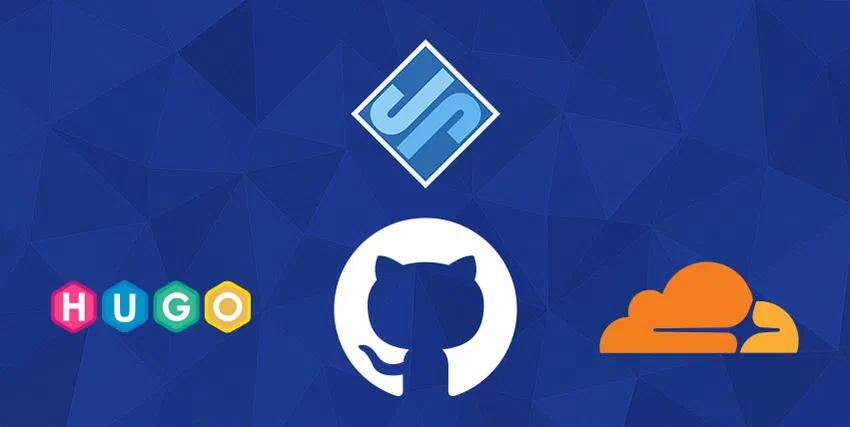
This site runs on Hugo, hosted free on Cloudflare Pages, with source on GitHub. I only pay for the domain - a small annual renewal. Less than two months of any halfway-serious social media ad campaign.
Even if you don’t want to mess with code, Squarespace, Wix, or WordPress will get you a clean site on a cheap monthly plan. The money barrier mostly doesn’t exist anymore. Time is the real cost, and nobody bills you for that upfront.
(If you’re curious how I built this one, I wrote about that too.)
“But Isn’t It a Lot of Work?”
Honestly? Less than you’d think.
Once it’s set up, a personal site might need an hour or two of attention a month. Last month that was updating the Alex Eala tracker after Berlin and fixing one broken YAML line in a blog draft - not a second job.
Writing posts takes whatever writing takes - but you’d be writing those captions and threads anyway. The big upfront cost is choosing a platform and getting it live. After that, it mostly just sits there working for you.
Compare that to the constant treadmill of producing content for someone else’s algorithm, and a website starts to look like the less exhausting option.
What I Actually Do
I still post on social for reach. The site holds what I want findable in five years - essays, reference posts, stuff I’d hate to lose in a platform pivot.
I’m not asking you to quit Facebook. I sleep better with a backup I control. If that sounds true and you need the Monday habit, read sustainable online publishing. Domain, Git, push, share the link.
Otherwise start with one thing you’d miss if the app disappeared tomorrow - a recipe, a project write-up, whatever you’d actually go looking for again. Glad this site still holds those.
Share